Information for

Alumni
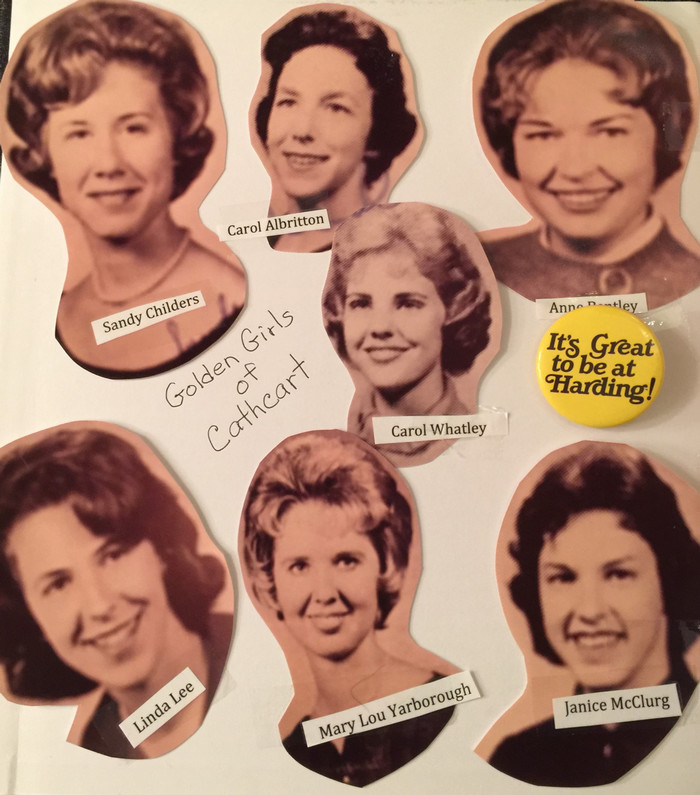
Golden Girls of Cathcart
October 22, 2026




By Chidinma Otuechere, P3 Student
Until this summer, my only knowledge of medication access came from the pharmacy counter: patients would come in with prescriptions that turned out to be too expensive, and pharmacists would try to find ways around the problem. As an intern with Johns Hopkins Care at Home at Monument Pharmacy in Baltimore, Maryland, I began to see how much more happens behind the scenes.
One issue immediately grabbed my attention. Information about manufacturer copay programs came from different sources, requiring pharmacists to search for the information and keep it current. To address this issue, I created the first centralized manufacturer copay card repository for the Johns Hopkins outpatient pharmacy network. This project involved researching program eligibility criteria, obtaining information from manufacturers, standardizing the collected data and establishing a process for keeping it current. The resource was then made available to five outpatient pharmacies.
I also assessed medication-assistance services by examining prescription volumes, patient reach, payer mix and program participation rates. My findings were incorporated into a Power BI dashboard that helped pharmacy leaders understand how the programs were being utilized and identify opportunities for expansion. In addition, I developed educational tools and participated in a quality improvement project aimed at standardizing the medication reconstitution process in the outpatient setting.
One of the most valuable aspects of the internship was gaining insight into the many career paths available after pharmacy school. Through conversations with program directors and pharmacists across different areas of practice, I learned more about fellowships, traditional residencies and Health-System Pharmacy Administration and Leadership residencies. These interactions also provided practical guidance on becoming a stronger applicant and identifying opportunities that align with my interests and long-term goals.
More significantly, the internship broadened my perspective on what is achievable within the field of pharmacy. I realized that pharmacy offers ample opportunities for innovation, creativity and meaningful impact beyond conventional expectations. Although I remain open to where my future may lead, I am confident that I am pursuing a career that will allow me to explore those possibilities.

Some of my most memorable moments occurred outside the pharmacy. I connected with students from other universities, built meaningful professional and personal relationships, explored Baltimore, tried new restaurants and activities, and traveled to Washington, D.C., nearly every weekend. These experiences made the summer both professionally rewarding and personally memorable.
Beyond the technical skills I gained, this internship strengthened my confidence as an innovator and reinforced my understanding of the wide range of possibilities within pharmacy. I formed lasting friendships with my co-interns and look forward to reconnecting with them at the ASHP Midyear Clinical Meeting. My greatest takeaway is that meaningful opportunities often arise when we step outside our comfort zones, remain open to new experiences and allow ourselves to think bigger about what is possible.