Information for


Academics
Harding University’s Carter College of Business Announces Carter Fellows Program
October 29, 2026



By Ava Swearingen, Student Writer
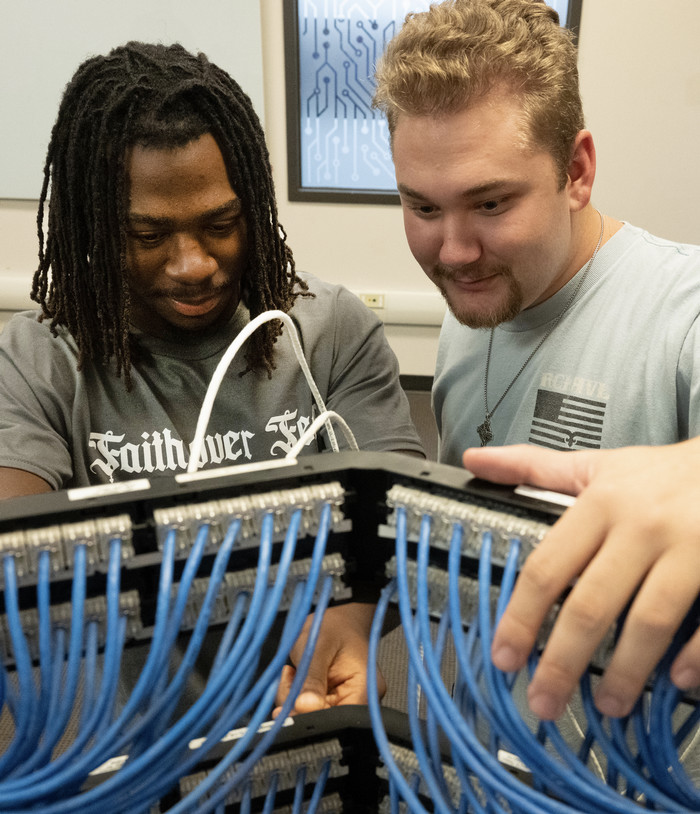
October is National Cybersecurity Awareness Month. This is an annual campaign to teach individuals and organizations how to protect themselves from cyber threats. Dr. John Stone, chair of the information systems department at the University, sat down for an interview to share some thoughts on cybersecurity awareness.
1. What does cybersecurity look like in everyday life for the average person?
It depends on how much of your life is connected to the technology world. For most people, the number of transactions you do online, how much interaction you have through social media, how much you rely on digital banking, and things like that is significant. That creates more need for understanding how to protect yourself. I tell my students that the answer most of the time is “it depends.” Because it really does depend on how much you interact. For some people, it's very little if they are off-the-grid folks, but most people are not.
2. What are some of the biggest cybersecurity threats people should be aware of right now?
Phishing is the biggest threat, both personally and organizationally. Everybody's always trying to get access to compromised data. And the primary mechanism for that is through user interaction. That's the easiest way in, because the safeguards in place are pretty good. They need someone to give them access. Clicking blindly on links and text messages because they sound somewhat correct is probably the biggest challenge. Because we want to be trusting people. We trust that the text message that says it's from UPS is really from UPS; unfortunately, it's likely from somebody that doesn't even live in this country.
3. What is the most common cybersecurity mistake you see people make?
Trusting. Trusting something that is not being verified. When things come out of the blue that you aren't expecting (a letter in the mail, a phone call, a text message, an email), and you trust it is legitimate, that's when we start seeing problems. I think the other issue is fear. Things like warrant scams, where they're calling, and they know enough about you to threaten you. You feel like you need to follow what they say.
Fear and trust really play into us forgetting about common sense. People are doing all the things that you wouldn't normally ever think to do. When I tell other people stories about scams that have been successful, it usually is met with snickering or laughing or “Man, I would never fall for that.” Then, two or three months later, they almost fell for it, or they did fall for it. This is a $20 billion business annually, and they're good at what they do. They're very good at how they approach these scams, and, as a result, even the most prepared people fall victim to it from time to time.
4. Why is cybersecurity awareness important?
Social engineering accounts for 93% of all security breaches and problems. We can be the most secure, technologically sound organization, but all it takes is one successful phishing scheme to bring a company to its knees. The only way to combat that is through cybersecurity awareness. It’s always security awareness. You know, people want to get through that training as fast as possible, so we have to find good, creative ways to get the message across. You have so many different demographics that cybersecurity awareness has to fit. Everybody's different. What's facing college students today is not the same thing that's being faced as retirees or parents. Knowing how that world affects different demographics and different stages of life is a daunting task. It takes a lot of people willing to know what's going on and then just reminding people: “Hey, not everything on the internet is truthful.” You can't even blindly trust people who say that they're your friends on social media because they get compromised, and somebody takes over their account. 250,000 Facebook accounts are compromised every day. Then there's the embarrassment factor of all this. When you get scammed, you don't want to tell anybody. You just can’t believe you fell for it. Con artists have been around since the beginning of creation. Satan was the first and best one. Scamming and conning people have been around for a very long time. Now we just have technology as the medium.
5. How is artificial intelligence changing cybersecurity?
From an academic perspective, it changes the speed at which analysis can be done. It allows us to be better at our jobs more quickly. It doesn't replace the jobs in any way, shape or form. It just allows us to do things faster. In the digital forensics area, it allows us to scan devices for things that are very difficult to see. CSAM materials and stuff like that used to have to be verified through people. Now it can be verified through AI.
Sadly, in the scamming world, it's made them better. Now emails that come from another country that doesn't speak this language look much more professional than they used to. All the things that make up that really good phishing email look a lot more legitimate. And that makes it more difficult to discern what's real and what's not. AI is only going to get better. Now, discerning between what's real and what's artificial is going to be more difficult to figure out. This is why awareness is so important.
6. If you could only give one piece of cybersecurity advice, what would it be?
Don't click the link. For example, if you get an email or get a text message from a sender that seems like your bank and has a link or a phone number, do not click or call. That call won’t go to your bank. It's going to some scamming call center, and they look just like customer service call centers. Go to your bank’s official website. That's an extra step, but it can save you a lot of trouble. Verify it through an external mechanism. I can pretend I'm your bank. Go to a trusted site to find a correct phone number or a correct email address, and ask questions that way. You could even just get in the car and drive to the bank. The biggest thing is don’t click the link.
7. Do you have any resource recommendations for people who want to learn more about cybersecurity?
One of the resources we share with those who have been scammed is a website from the FBI called ic3.gov. It is the Internet Crime Complaint Center. It's got tons of resources for cybersecurity awareness. The FBI investigates more financial crimes than people realize. So, this website has lots of good resources and information, and it's a way that you can report scams. It is a federal crime because it happens over the internet. Whenever there's a financial crime in Searcy, the detectives will tell them to go to this website and make a report. That's the way we begin to slow this down.
Learn more about our Master of Science in cybersecurity and discover how you can help fight cybercrime.
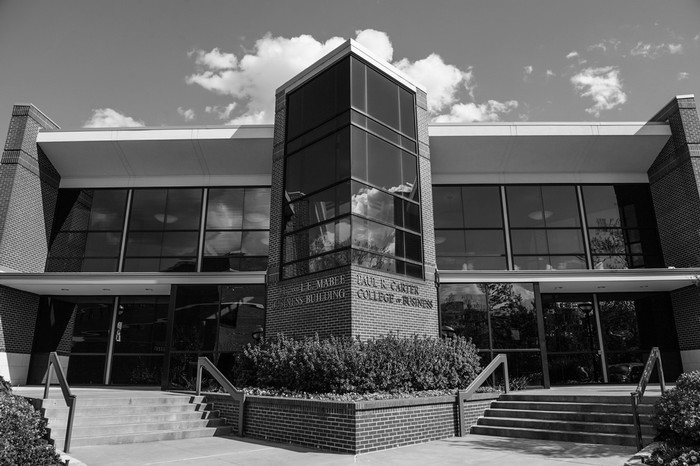
On Nov. 6 at 12 p.m., the Harding University Digital Forensics Lab team will be recognized for their efforts on multiple cases with an award ceremony held in the Mabee Business Building at Harding University. The team will be given a distinguished service award from Jefferson County, Arkansas.