Information for

Department
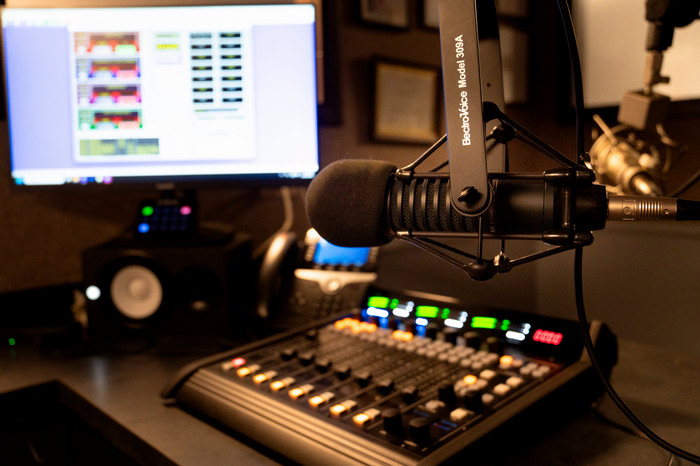
KVHU 20th Anniversary
October 23, 2026



Dr. Jack Shock, distinguished professor of communication
After the terrorist attacks of Sept. 11, 2001, destroyed the World Trade Center, the area became a symbol of loss and devastation. The physical destruction left holes in the New York City skyline and in the hearts of all Americans who, 25 years later, continue to mourn the nearly 3,000 lives lost that day. We called it Ground Zero because it was the epicenter of devastation, where violence and hate caused the sudden collapse of everything that once stood. In the face of fear, loss and uncertainty, thousands of Americans stepped forward, choosing courage over comfort — not because they were asked to but because the moment demanded it.
Firefighters, police officers and paramedics ran toward the danger while so many were trying to escape. These first responders were fully aware of the risks, yet they acted without hesitation. Putting their own safety aside, many lost their lives, and even more continue to face long-term health effects as a result.
The spirit of unity was not limited to those who were in Manhattan, Washington, D.C., or Shanksville, Pennsylvania. Across the United States and the world, ordinary people found ways to help. Communities and churches organized blood drives, donated supplies and money, and offered shelter to stranded travelers. We comforted each other, checked on friends, neighbors and coworkers, and reached out to those grieving unimaginable losses. A remarkable feeling of solidarity emerged when Americans decided that helping others was more important than standing on the sidelines. We all wanted to help, and, miracle of miracles, I was asked to come to New York City and pitch in.
My teaching mission statement has always been, “Be nice to your students because someday they will grow up and give you a job.” And that is exactly what happened to me around Oct. 1 when Darren Irby (‘93), a national American Red Cross disaster executive, called me and said, “Get up here. I need you.” I was honored to answer the call.
Americans felt shock, anger and grief after the attacks, but as the dust began to settle, flags and yellow ribbons began to appear on homes, buildings and lapels, and I was there for much of it. Americans gathered to remember and pray, relying on deeply meaningful connections that didn’t make headlines, but they did form the backbone of collective resilience. I connected with firefighters who hadn’t yet left Ground Zero, catching naps on the floor before jumping back in to search for survivors. I was there the day efforts transitioned from rescue to salvage, meaning all hope for finding survivors was lost. I’ll never forget talking to groups of first responders and listening to them process their thoughts about leaving their buddies behind.
As businesses began to reopen, one of the first was a liquor store less than a block away. A firefighter asked me to start an Alcoholics Anonymous meeting to help first responders make good decisions about managing their anxiety. We started a meeting that grew to two meetings every day, and that grew to even more.
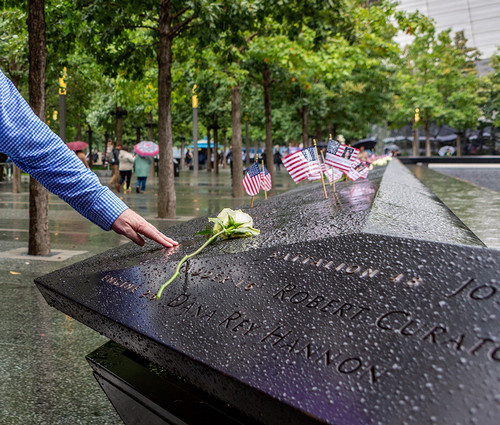
The former Ground Zero is now known officially as the World Trade Center site, which includes the 9/11 Memorial and Museum and One World Trade Center, also known as the Freedom Tower. The memorial’s twin reflecting pools and fountains muffle the city noise and invite visitors into quiet contemplation. Every victim’s name is etched into bronze tablets.
Time passes, buildings are rebuilt, and every day we teach students who had not yet been born in 2001. Everything they know about this American tragedy comes from books and stories. It’s vitally important to teach young people about Sept. 11, 2001. I try to travel yearly to the memorial and museum, taking as many students as possible. I want them to touch the names on the bronze tablets. I want them to experience the interactive museum. I want them to see the hole in the skyline where once upon a time the Trade Center dominated lower Manhattan. I want them to hear the city silence created by the crashing fountains. I want my students to learn to tell their own Sept. 11 story. Their children will want to know.
We must continually work to make sure the valuable lessons we learned that day are not lost to time and that the significance of resilience, empathy and unity continue to resonate. The importance of teaching, remembering and experiencing history is not merely an academic exercise. It is a moral imperative.
To recieve more stories like this one directly in your inbox, subscribe to HUtoday here.