Information for


Alumni
Golden Girls of Cathcart
October 22, 2026



by Addie Echols, student writer
Each March, the Academy of Nutrition and Dietetics celebrates National Nutrition Month and the campaign provides education and resources to improve health and wellness. Harding University’s Applied Dietetics Practice program equips students to become registered dietitians who share the importance of nutrition and activity with patients, individuals and communities.
Elizabeth Hall, Ph.D., RDN, LDN, serves as the program director, and Emily Bonham (‘24), who received her Master of Science in applied dietetics practice is now serving as a clinical dietitian. They each share the importance of National Nutrition Month and how nutrition impacts our well-being through a Q&A series:
Q: What does National Nutrition Month mean to you?
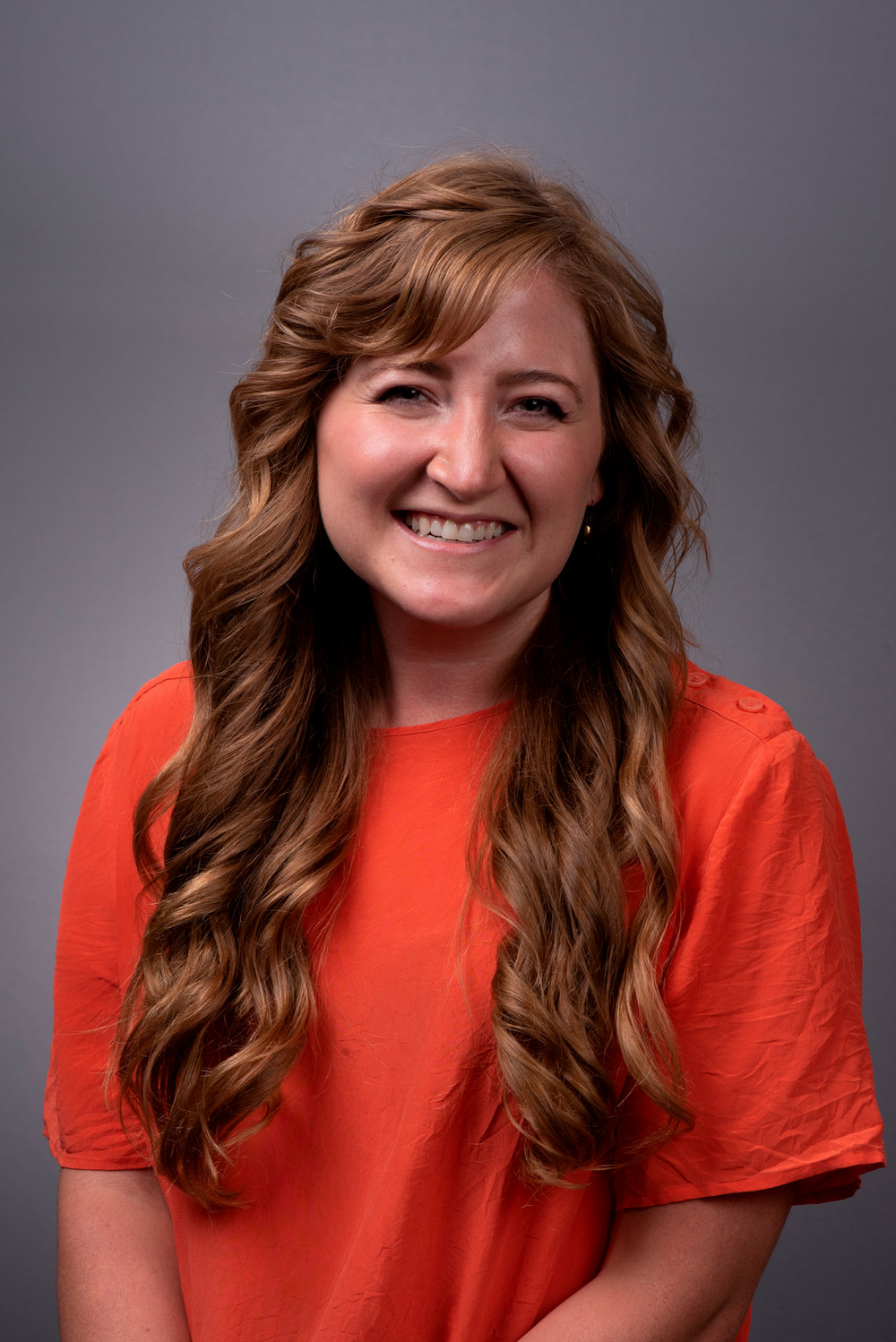 Dr. Hall: National Nutrition Month is always fun as it focuses on different themes each year with tips to improve nutritional health and wellness. Of course, I am biased since food and nutrition is my primary interest and career, but I think there is a huge interest in nutrition among the public as well. However, there is a myriad of information out there about nutrition, and not all of it is backed by science. We all have areas in which we can grow and improve our eating habits, so National Nutrition Month is a time to focus on simple changes we can all make that are also evidence-based.
Q: How did Harding prepare you for your career in nutrition?
Emily: At Harding, I learned all of the necessary nutrition information and skills to practice as a registered dietitian. Yet, the most important way Harding prepared me for my career in nutrition was their emphasis on providing health care for the whole person. Understanding that my patients have spiritual and emotional needs in addition to their physical, nutritional needs allows me to practice with empathy and develop meaningful relationships with my patients that lead to positive health changes.
Q: Why is it important to stay educated on the topic of nutrition?
Dr. Hall: There is so much information out there in the media and online about nutrition, but what is available or "trendy" is not always backed by science in the form of peer-reviewed literature and is not always beneficial or safe. As RDNs, we take an individualized scientific approach to prescribe nutrition plans that help a person thrive. We are licensed to practice medical nutrition therapy which focuses on preventing, managing and treating disease through food and nutrition. There is no one-size-fits-all "diet," so when reviewing information about nutrition, you want to keep this in mind. Ideally, you would have access to an RDN for personalized advice, but if not, make sure the source you are using is credible and backed by science. When making a change to your lifestyle, you also want to ask yourself if what you are doing is sustainable. If it is not sustainable, whether health-wise or socially, I would challenge you to ask yourself why you are doing it, as even temporary "diets," when they are too restrictive or extreme, can be harmful for long-term health.
Q: What is your advice to students who struggle with eating healthy in college?
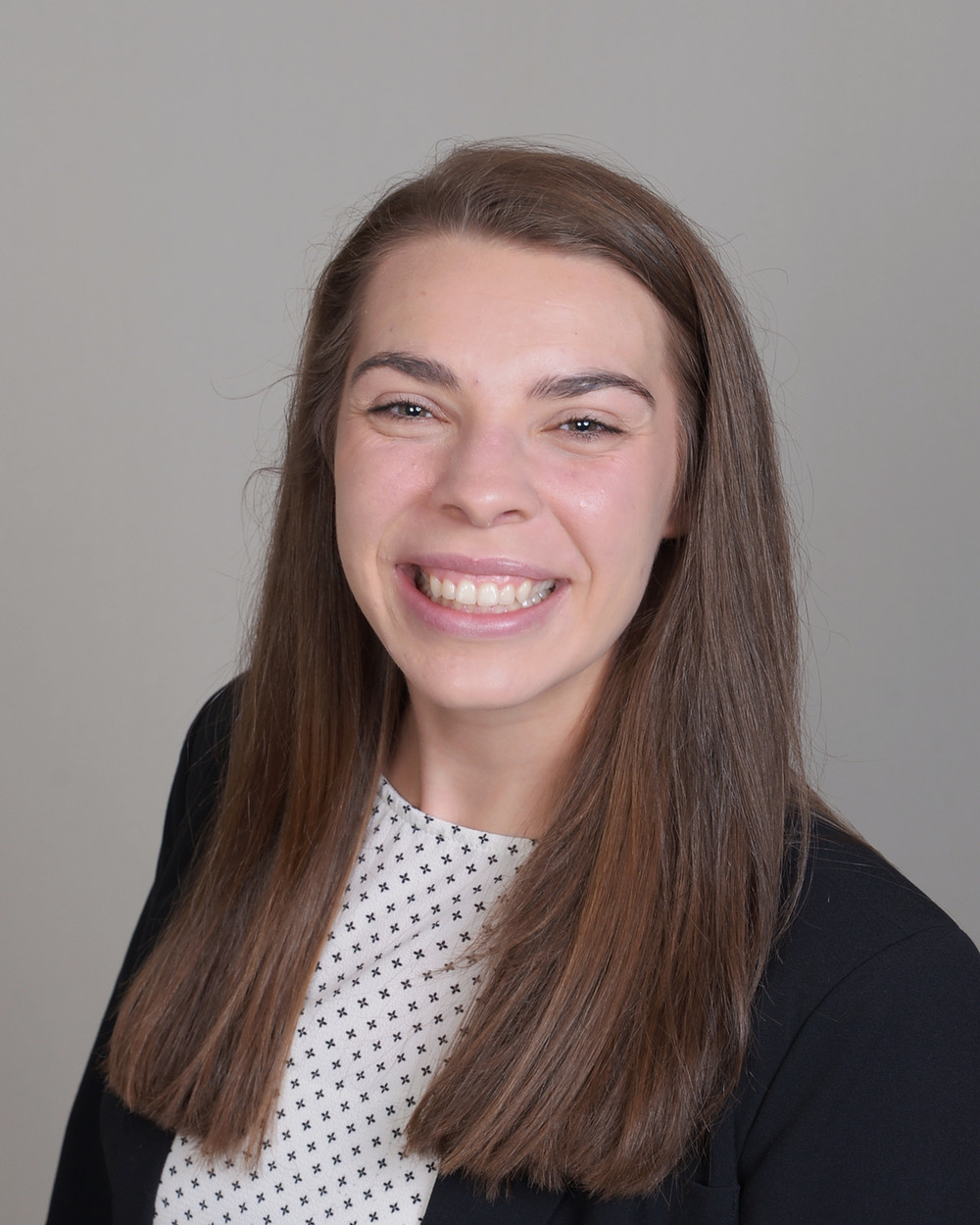 Emily: Eating nutritious foods can be hard, especially in college where the demands of coursework extracurriculars, investing in new friendships and preparing for the future are great. To keep nutritious eating simple, I recommend using a "food formula" to create meals. At most meals, try to include a lean protein (chicken or fish), a fruit or a vegetable, a nutritious grain/starch (whole wheat pasta or oatmeal) and a small amount of a nutritious fat (nuts or avocado). This combination of foods will keep you feeling full and satisfied until your next meal or snack. Bonus Tip: Use a slow cooker to prepare meat or a full meal on busy days! Slow cookers allow you to prepare a meal in advance and keep it warm until you are ready to eat it.
Dr. Elizabeth Hall is program director and assistant professor for the applied dietetics practice graduate program. She and her colleagues are registered dietitians nutritionists who are happy to help with any questions related to nutrition. Contact them at fcs@harding.edu or visit harding.edu/arts-sciences/family-consumer/graduate-programs to learn more about the applied dietetics program.