Information for
Campus & Community
Through A Different Lens
October 21, 2026



by Hailey Pruitt
Each spring, we honor the faculty members who have contributed scholarship to their fields of discipline with an event called ScholarSip. Hosted by the Brackett Library, this event brings together faculty and staff from all over campus to hear about their colleagues’ work and celebrate the spirit of academic excellence over a cup of coffee. This year’s event on March 11 will recognize 18 professors who published 31 works in eight different disciplines in 2025.
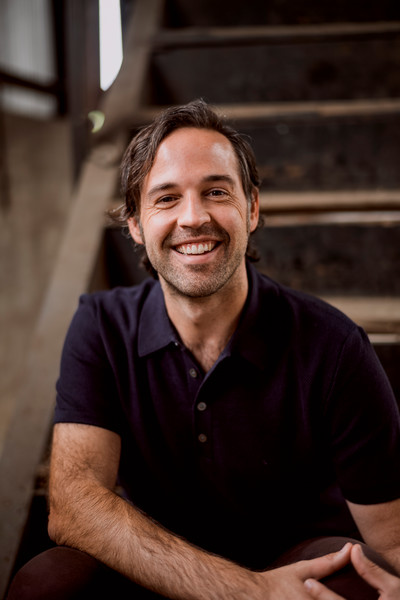
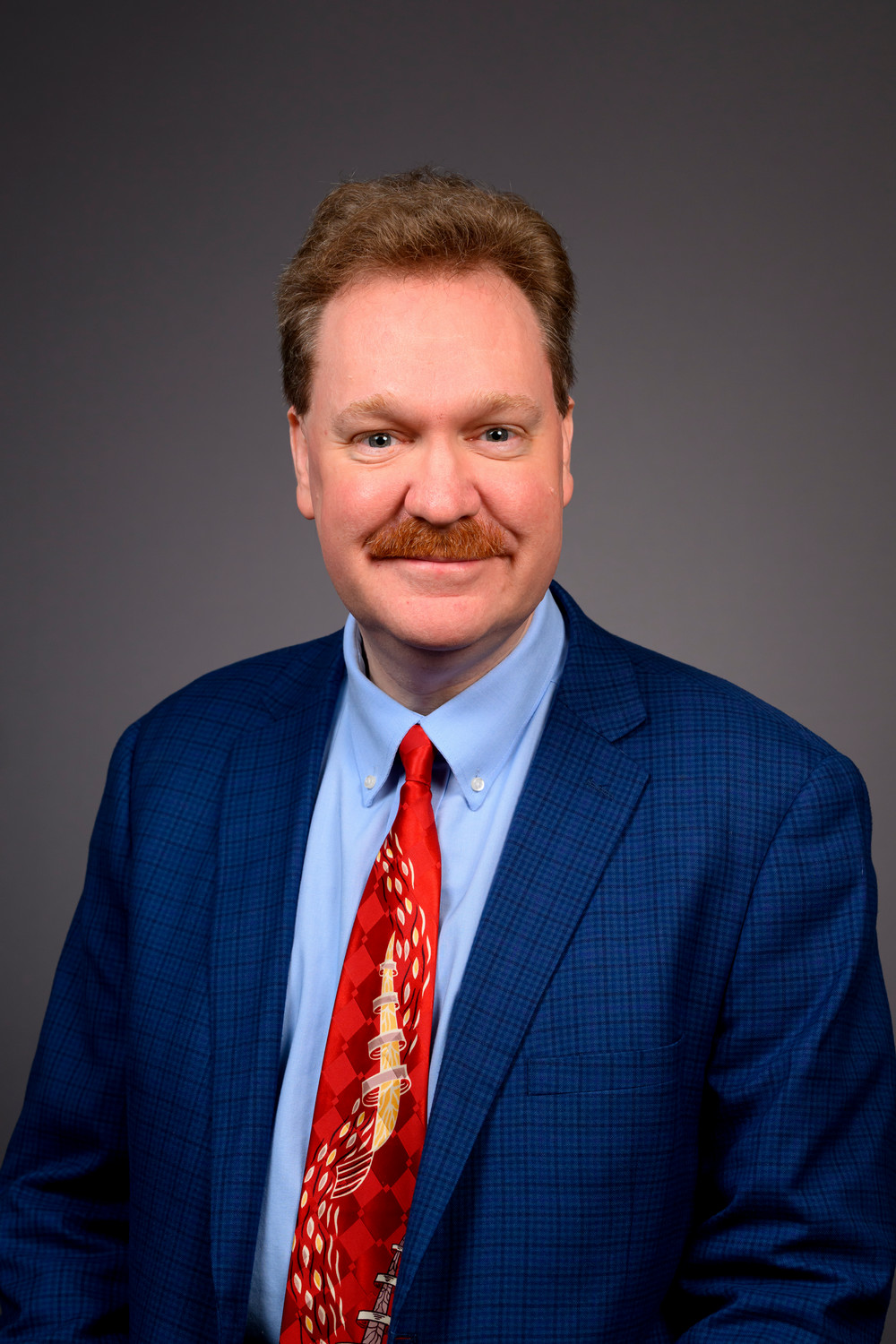 Dr. Michael Claxton, professor of English, published a book titled Saving Magic: David Price and the Making of Egyptian Hall.
"Sometimes writers have to be in it for the long haul,” he says. “Without knowing it, I started work on my book Saving Magic when I was 14. That's when I visited David Price and his magic museum in Nashville for the first time, and where I first started listening to his stories. Almost 35 years later, I drew on those memories and some fresh research to tell Mr. Price's life story. Scholars are often storytellers, and some stories take a lifetime to come together."
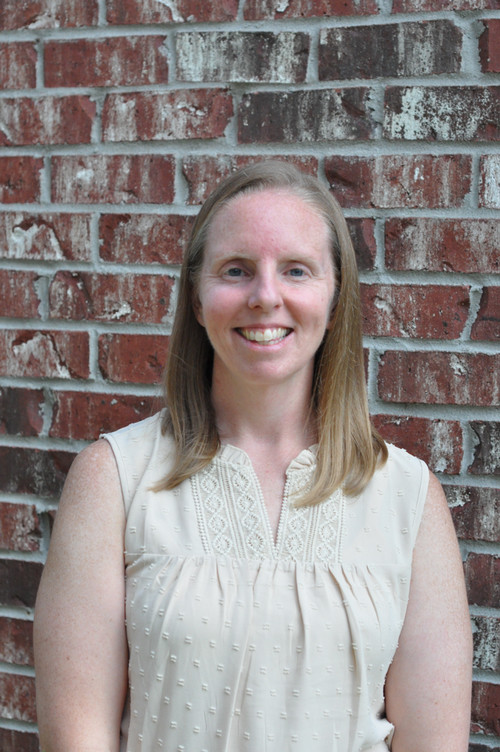
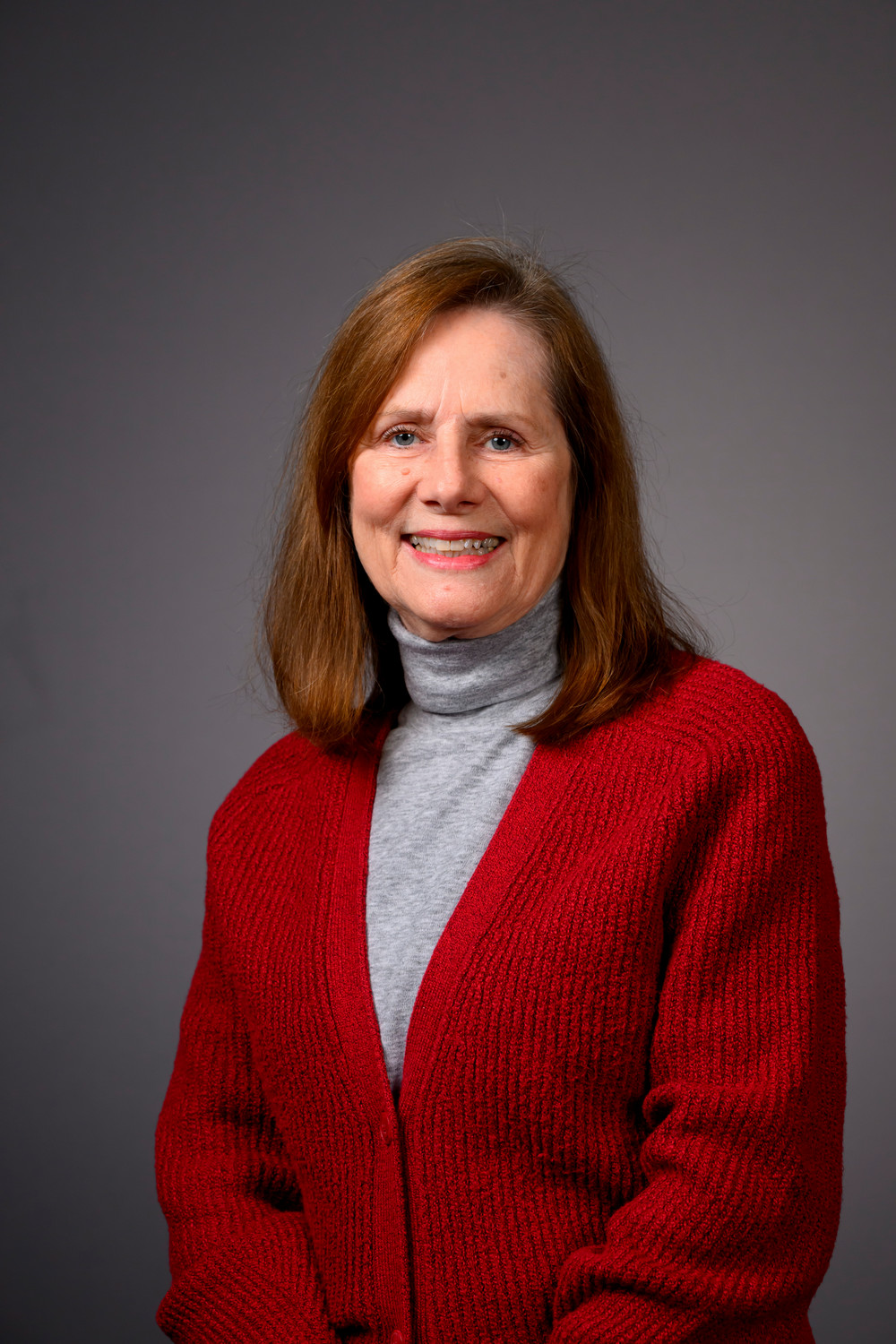 Dr. Laurie Diles, professor of communication, wrote a textbook titled Communication: Principles and Practices.
My book “presents the essential elements of communication in plain English so students can understand and apply the principles in real-life situations,” she says. “What makes the textbook unique is that it is not cluttered with extra material that clouds the principles themselves.”
“Scholarly contribution plays a variety of roles for the discipline, the University and the faculty. For the discipline, it can be a contribution of new understanding. For the University, it provides an opportunity to position itself as a place where knowledge is not only taught but discovered. For the faculty member, engaging with subject matter and, in some cases, with other scholars, energizes what the professor is teaching daily.”
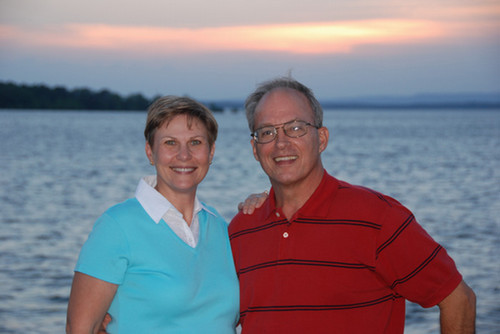
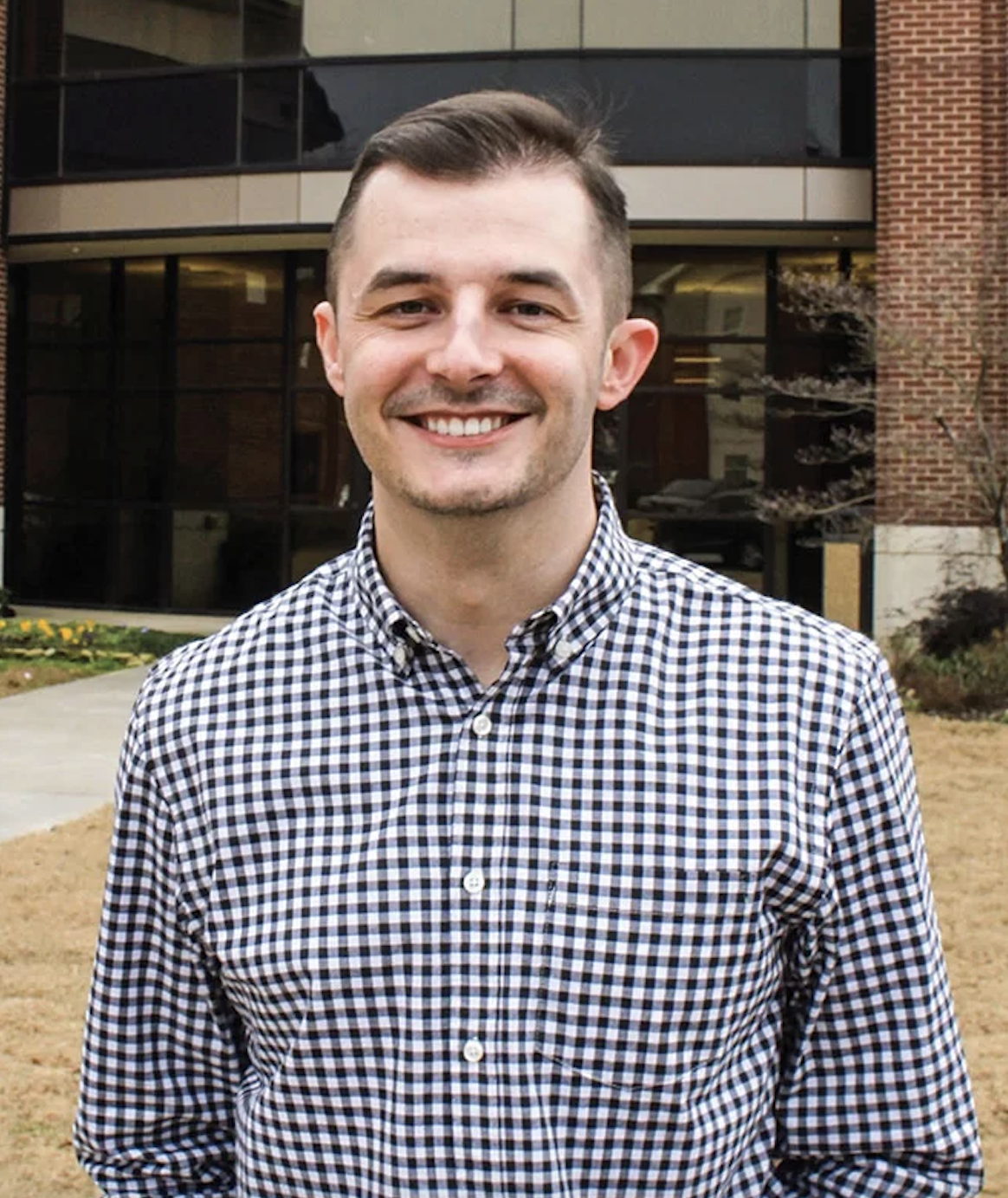 Dr. Charlie Wright, assistant professor of pharmacy practice, published three works including a poster presentation titled "Assessing Cultural Competence Before and After Online Teaching Modules on Social Determinants of Health."
"In our accelerated 3.5-year curriculum, we introduced asynchronous modules on cultural competence and social determinants of health and measured impact using the validated Self-Assessment of Perceived Level of Cultural Competence tool,” he says. “First-year students showed a significant increase in self-perceived applied skills, supporting the effectiveness of structured online instruction. I am particularly interested in the scholarship of teaching and learning, as it allows us to tell our story and showcase the meaningful work we do every day!"
For a full list of faculty publications in 2025, please visit library.harding.edu/scholarsip2026.