Information for
Faculty & Staff
A Legacy of Encouragement
October 07, 2026



By Hailey Pruitt
In a time when we expect information to be instantly searchable, countless handwritten documents from American history remain effectively invisible to researchers. Without transcriptions, these records — rich with firsthand accounts and cultural insight — are often overlooked in digital archives. Over time, volunteer transcriptionists have helped bring history into view, making the diaries of Clara Barton, the letters of Abraham Lincoln and the memoirs of Rosa Parks accessible to modern audiences with a simple search.
On March 13, volunteers from the Harding community had the opportunity to play a role in that work of rediscovery. In partnership with Arkansas PBS and the Arkansas Center for the Book at the Arkansas State Library, the Clifton L. Ganus Endowed Chair for History and Political Science hosted a transcribe-a-thon focused on exploring the legacy of freedom. Participants worked with 18th-century documents on the Library of Congress “By the People” platform, following a preview of The American Revolution documentary by Ken Burns, Sarah Botstein and David Schmidt.
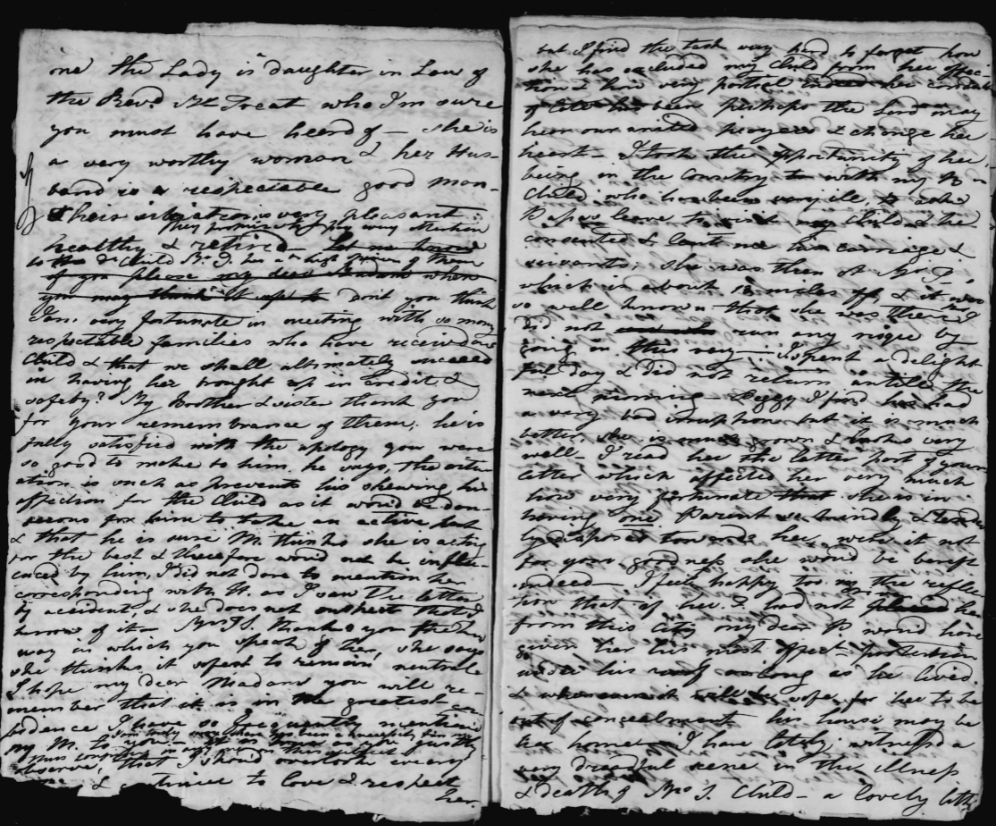
Many of the handwritten materials proved challenging for modern readers, as both the language and letterforms differ significantly from what we recognize today. Deciphering them required patience, collaboration and a willingness to slow down — qualities not often associated with today’s fast-paced digital research.
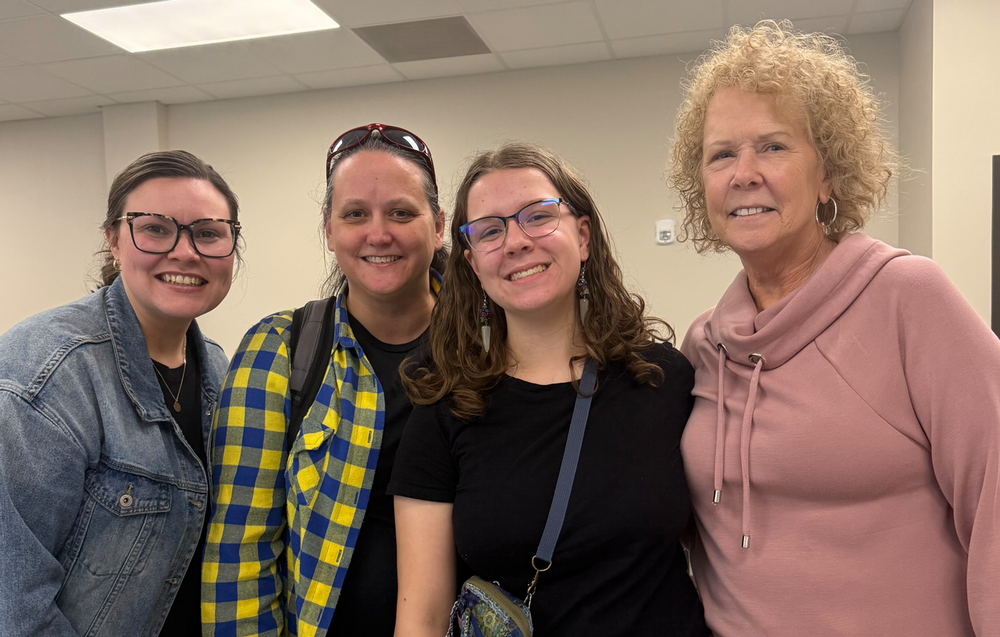 Retired librarian Mackye Sandlin (’75) worked alongside her granddaughter, Searcy High School sophomore Josie Sandlin, to transcribe a commonplace book. Before the convenience of copy and paste, these blank volumes served as personal collections where individuals recorded grocery lists, meaningful passages of Scripture and excerpts from texts worth preserving.
"Preserving historical documents is so important because they give us insight into methods and habits of the past in addition to the actual information they provide," Mackye Sandlin said. "Their physcial presence actually helps us feel a connection to writers and thinkers of the past. While it is beyond amazing to be able to access information instatntly on the internet, the original formats will not change as technology does."
The archaic penmanship proved a challenge to decode. The vocabulary and structure were unfamiliar, and the individual letters were shaped differently or even missing in some cases.
“The hardest part about transcribing was deciphering the handwriting!” Josie Sandlin said. “The women especially had very elaborate handwriting with punctuation and shorthand that we no longer use. … When we were finally able to figure out a word that we’d been missing, it gave the best feeling of accomplishment.”
The event offered participants a rare, hands-on opportunity to contribute to the preservation of history, transforming fragile, handwritten pages into searchable resources that will support research and discovery for generations to come. Participating with loved ones was a memorable experience.
"Sharing a love of words and history with people of different ages is so special, especially when some of those people are your family and friends," Mackye Sandlin said. "Working with my granddaughter, my daughter and younger friend is always a delight, but being with them in such a different and unusual setting was extra special."