Information for

Alumni
Golden Girls of Cathcart
October 22, 2026



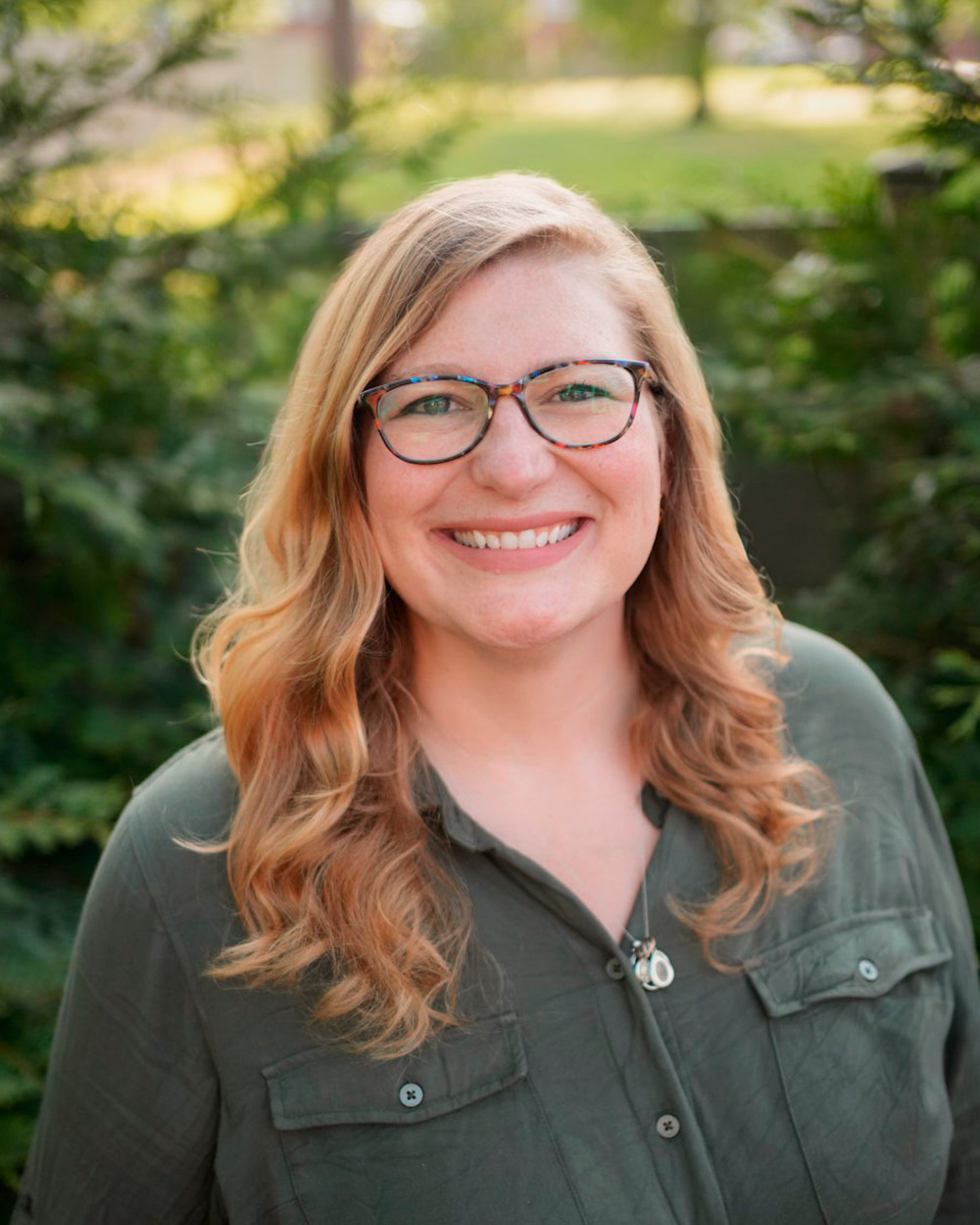 Dr. Stephanie O'Brian West earned an education specialist degree from Harding's professional counseling program in 2014. While in the program, she served as president of Chi Sigma Iota honor society for a year and a half. She also received the program’s Distinguished Alumni award in 2016. She recently earned a doctorate in leadership from Harding and currently serves as director of Upward Bound, a program that serves at-risk high school students. She still maintains a small private practice, where she primarily counsels young adults and survivors of sexual assault. She has been an adjunct in the counseling program and also spent many years as an adjunct in psychology at the University. She has supervised dozens of counseling students during her career and delights in working with counselors-in-training.
What is the best way to find a counselor? There are a lot of great ways to find a counselor — some as simple as word of mouth and others more research-oriented. You can simply Google counselors in your area and often be led to websites that introduce you to therapists and enumerate their specialities. The clients I see have reached out to me via referrals from other people or professionals in the community. If you need counseling, you can also ask your primary care physician which therapists and/or clinics in your area are of good repute.
How do you know if counseling is covered by your insurance? The two best ways to see if counseling is covered by insurance are to either call the therapist and/or clinic you desire to go to and ask them directly if they take your insurance, or to log onto your insurance's website and gather the list of all therapists they cover.
When is counseling important or essential? My standard rule of thumb is whether whatever is going on in your life disrupts your daily living for longer than a few weeks. If something has occurred or you are feeling a certain way that derails your ability to function normally — as you want to or have in the past — and it continues for weeks, I always encourage people to talk to someone. I have had to follow my own rule and go back to therapy in various seasons of life when I needed more professional, objective guidance in overcoming obstacles and gathering a different perspective than my own family and friends were able to provide. Sometimes it is nice to have someone outside of your circle sit with you and help organize your tangled and nuanced mess of thoughts, feelings and actions. Plus, sometimes it is easier to receive truth and hope from people who are not in your day-to-day life.
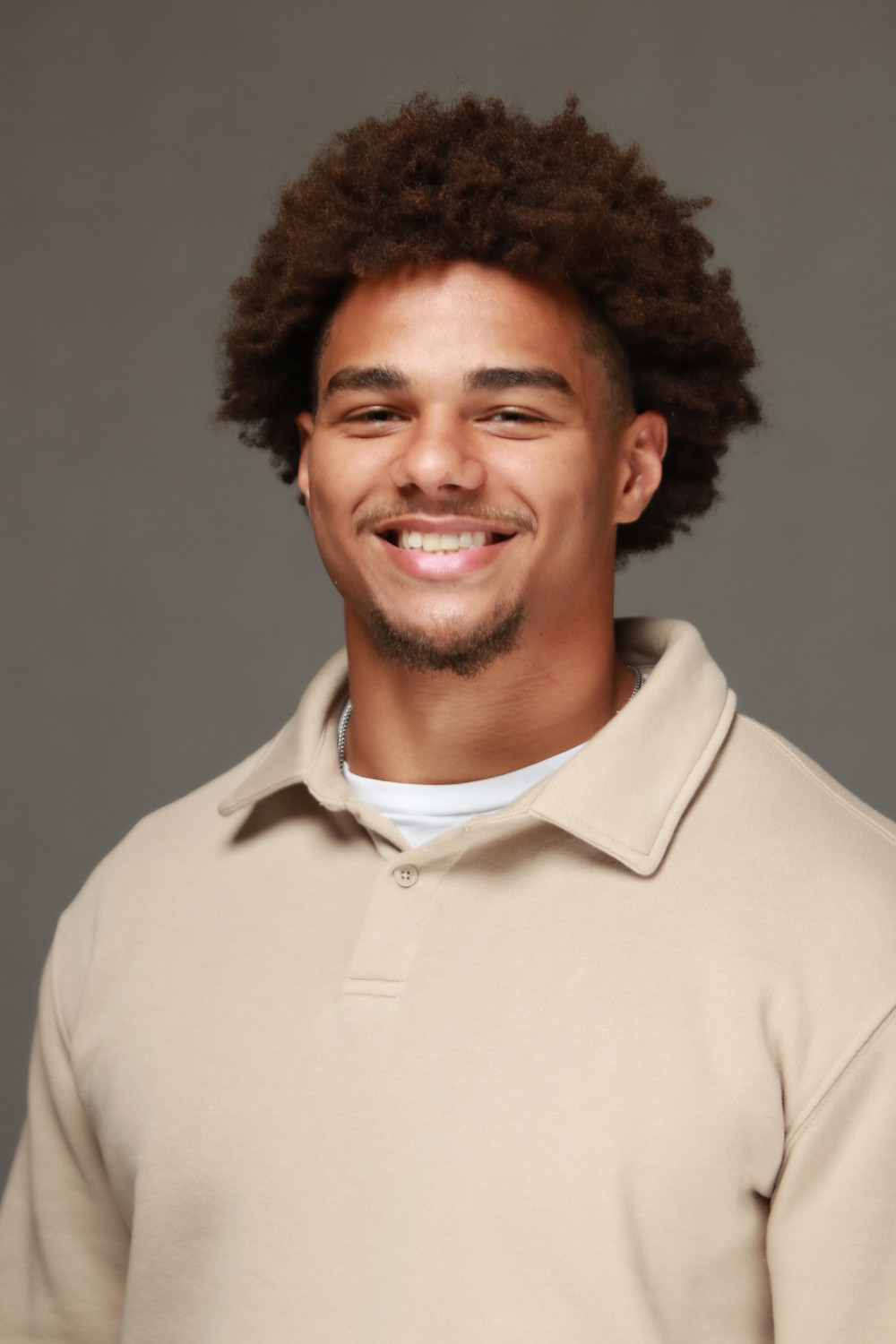 Darius Brown is a clinical mental health graduate student with a background in psychology and behavioral health. A former student-athlete and McNair Scholar, he is passionate about working with youth, especially those from underserved communities. His interests fall at the intersection of mental and physical health and their impact on overall wellness.
When did you begin the counseling program at Harding? I started the clinical mental health counseling program in January 2025.
What has your experience in the program been like? It's been challenging. I spent 21 years seeing the world through my personal lens, shaped by my experiences. It’s not necessarily a bad thing. I just have to learn to add to my perspective constantly. My peers, clients and professors are always giving me new ways to see the world.
Why is counseling important? Counseling is important in whatever capacity it's necessary. I see it as a safe place to build a trusting, dynamic relationship in which we develop useful tools to create the best life possible for each individual.
How does someone find a counselor? Finding a counselor can be a challenge. No one counselor is right for everyone, but recommendations from trusted friends would be the easiest way to gain a little insight and understand if someone is right for you. If this isn't an option, call local firms and discuss the qualities you value in a clinician. They will do their best to pair you with a strong match. Don't trust Google reviews and Facebook rants!
Why is it important to honor National Counseling Awareness Month? The importance during this month comes from fighting stigmas surrounding counseling. Many factors play into individuals deciding to avoid counseling, such as socioeconomic status and coming from marginalized backgrounds. Decreasing stigma by raising awareness of what counseling is and what it is for is just one part of lowering the invisible barriers many in our community face when seeking care at a clinic. Bringing awareness also helps provide access where it traditionally may not have existed due to these same factors, which is the first step in building trust between clinicians and communities. Overall, this month is not centered on counseling as a practice but on well-being for all people, because ultimately that is what counselors aim to provide to each and every person who walks through their door.
Are you considering becoming a counselor? The mental health and wellness program is now offered in an online format for those seeking to become counselors. The 60-hour degree is accredited by the Council for Accreditation of Counseling and Related Educational Programs and consists of 60 credit hours. For more about the program, visit harding.edu/mhw