Information for

Faculty & Staff
A Legacy of Encouragement
October 07, 2026



By Ava Swearingen, student writer
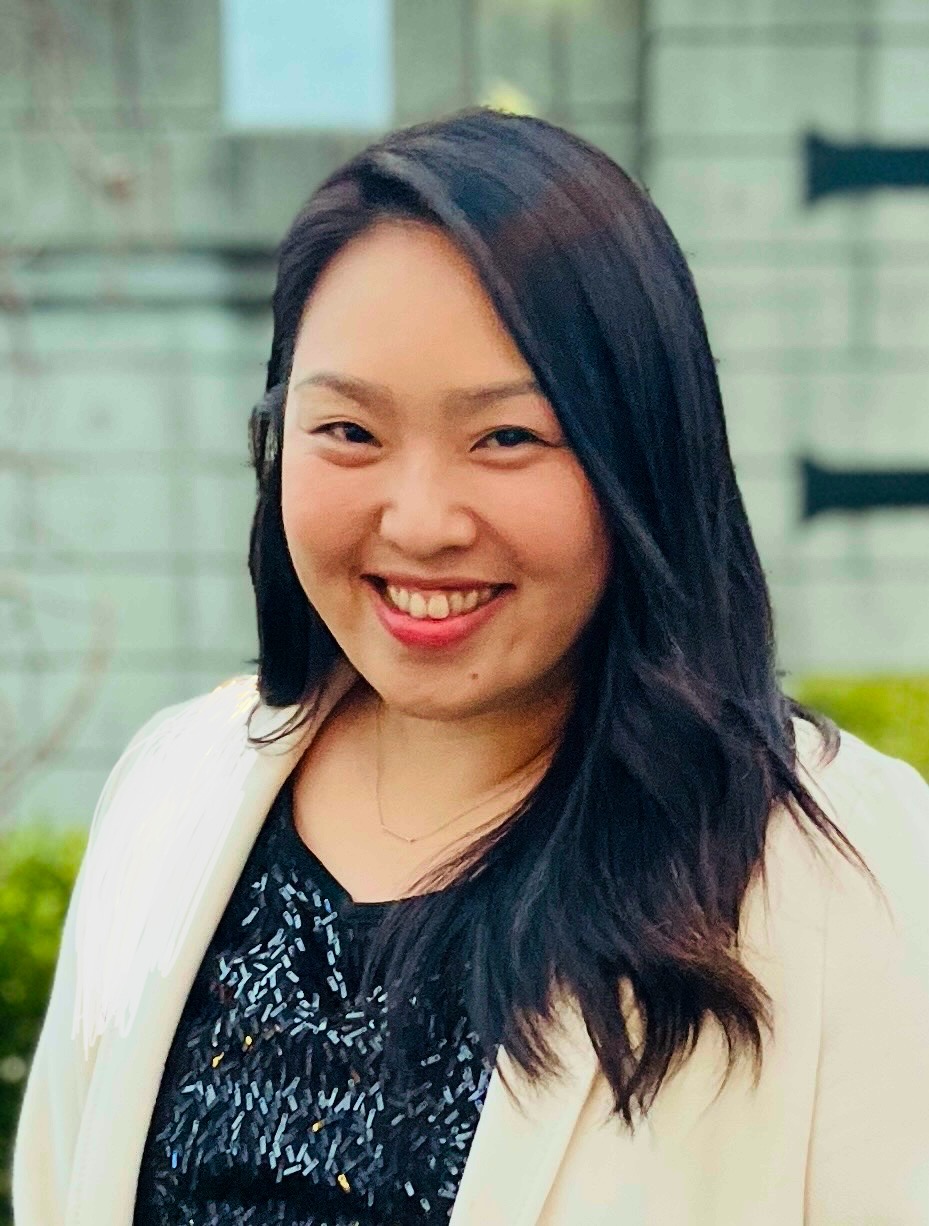 We often think of traditional health care taking place in a hospital or clinic. However, beyond clinic walls is an entire population without access who are in need of care. Street medicine offers a solution.
Street medicine is a form of care that focuses on serving unhoused individuals. Hannah Lee (M.S. ‘19), an alumna of the physician assistant studies program at Harding, now spends her days working to serve this community.
Originally from Los Angeles, California, Lee experienced quite the culture shock when she came to Harding for graduate school. One of the stranger aspects she noticed was the sheer size of Walmart in Searcy. On the other hand, she was pleasantly surprised by the culture of genuine kindness from people on campus. This culture extended to her experience in the PA program as well. Lee felt that her professors truly wanted her to become not only a good practitioner but also a good person.
“It did really feel like a close-knit family,” she said. “I came into this used to being one number out of 200 in a lecture hall. The ability to form relationships in my program is something amazing that I am so grateful for and have come to treasure.”
After graduation, Lee secured a job at a faith-based organization in LA serving the unhoused community. This started her career in street medicine. She is now at UCLA Health, continuing to provide care to the unhoused. In a mobile van that serves as their clinic, Lee travels with a team of three to six others to various shelters, tent encampments, etc. There, they provide multidisciplinary care. Lee's team is typically made up of a combination of nurses, providers, community health workers and social workers.
Lee emphasizes that this is by no means glamorous work. It is very difficult to get close to disparity and trauma. To Lee, it is a calling to do this job, and she has to carry with her a strong foundation of hope to do it well.
Drawing near to a struggling community has its bright moments as well. She loves “...that moment when you know that you’ve made a difference in someone’s life. It doesn’t have to be a significant thing. It may just be ‘Oh, I’ve just provided medication for someone’s pain’. But just knowing that we were the avenue for them to be seen where otherwise they are so marginalized … that I get to be face-to-face and provide a sense of dignity to them … those moments are special.”
Sometimes the moments are significant, though. In the case of Jose Morales, Lee was part of the team that helped him turn his life around. It started with an offer for compression socks and blossomed into intentional outreach, helping Morales find a facility to treat his struggles with alcoholism and mental health. After a year of recovery, Lee was recognized alongside her team at a Dodgers game as health heroes for the work they had done in Morales’ life.
Lee and her coworkers are bonded in their efforts to overcome the barriers unhoused individuals face when in need of health care. However, they know that the small fixes they can provide are not always the ultimate answer to these people’s life problems. The biggest blessing Lee provides to them is relaying the love of Christ for a moment, letting them see a glimpse into a life under his care.
It is that form of love that allows Lee to boldly approach her work, mending bodies and healing hearts along the way.