Information for


Campus & Community
Through A Different Lens
October 21, 2026



by Ava Swearingen, student writer
Harding School of Theology houses the graduate theological studies programs at Harding University. Here, church leaders and scholars fortify their faith and grow in their skills, becoming better able to guide disciples through God’s word. HST challenges its students to be active in ministry throughout their programs, bringing knowledge and experience into the real world. Those pursuing the Doctor of Ministry must defend a dissertation based on an active ministry project they are involved in. This April, the 2026 D.Min. cohort returned to campus to defend their dissertations.
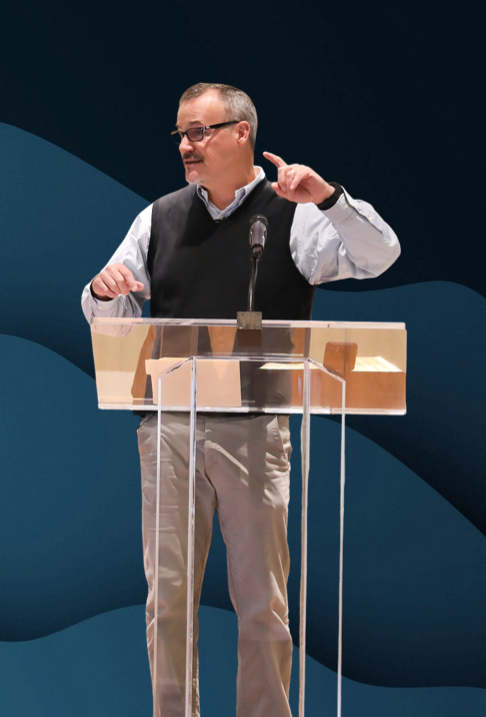
Sometimes, the most effective ministries go beyond meeting immediate needs, fostering relationships and long-term hope. Richard “Ricky” Gray serves as preaching minister at West Metro Church of Christ in Hiram, Georgia. A typical day at work includes developing a sermon, teaching classes and outreach. It is this outreach ministry that has become Gray’s focus for his dissertation.
Gray observed a need in the local unhoused community and knew his congregation could serve them. Beyond helping others, Gray had an inkling that the impending ministry group would be helping them grow as well. His theory was that if members of his congregation interacted differently with unhoused individuals for six months, it would change them in dramatic ways.
Spoiler alert: it did.
Gray was inspired by his dad, who was a benevolence deacon for more than 30 years, to do this work. He watched his dad interact with people from all walks of life, and he watched his father love them well. He wanted to teach this same love to his community and help them put it into action.
Beginning in August 2025, Gray, along with 11 others, went out into the community every other Sunday. They broke into smaller teams and reached out to the unhoused individuals they encountered, helping them in whatever ways they could.
Making a conscious effort to create connections with unhoused individuals was paramount to this effort. Several members of Gray’s congregation were familiar with one-off services to this community. However, very few had pursued continual relationships with this population.
To amend this, the ministry extended beyond gifts of food or coats when the weather got cold. Members of Gray’s group also learned the names of the people they came into contact with. By learning names first, the door was opened to learning people’s stories as well. Over time, these interactions transformed into real friendships.
“People tell their stories, and then they want to know your story,” Gray remarks. “The next time you see them, you call them by name, and they call you by name, and now it’s a friendship. … It’s a friend with a family and a history.”
Beyond the sweetness of friendship, though, is a real heart change for everyone involved. Some of the ministry group’s participants went into this project with preconceived notions about the unhoused community. They were very open about these often judgemental thoughts.
However, according to Gray, some of these same people began to do this work on their own time, going out to connect with unhoused individuals daily. Prejudice turned into a passion for them, and it only took a month or two of intentional relationship.
For Gray, it is his hope that this kind of impact will spread. He plans to continue in this work, expanding and recruiting even more participants. He expects a snowball effect in his congregation that leads to a flourishing ministry of care for their neighbors.
Gray returns to campus this month to defend his dissertation to a faculty who has shaped his ministry approach tremendously. He will have the honor of telling them of the love his father taught him. The love he carries with him into his ministry: one that approaches every person with open arms and exemplifies the beauty of the Lord.
For more information about Harding School of Theology, visit harding.edu/hst.